
External Wall Insulation Cost – What Homeowners Need to Know
Understanding external wall insulation cost is one of the first steps towards creating a warmer, more energy efficient home. External wall insulation (EWI) involves fixing insulation boards to the outside walls of a property and finishing them with a protective render, brick slips, or timber cladding. While the upfront insulation cost can seem high, the long‑term benefits often outweigh the investment.
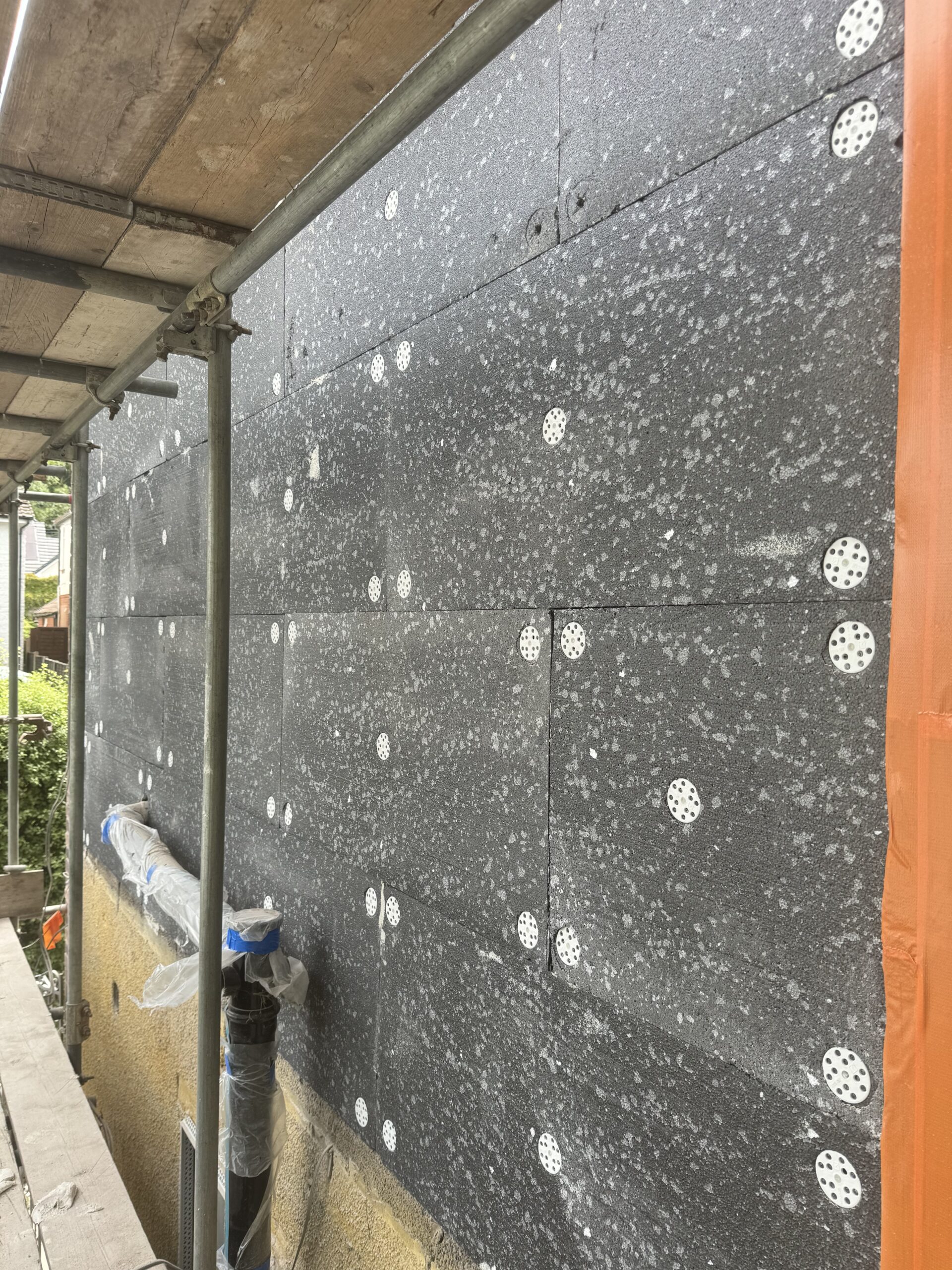
External Insulation for Solid Walls and Older Homes
Homes with solid walls, including solid brick wall and stone walls, lose heat far more quickly than properties with cavity walls. Solid wall insulation, and in particular external solid wall insulation, adds an outer layer that helps retain heat, improve thermal efficiency, and protect the existing wall structure.
Unlike internal insulation, external insulation does not reduce internal floor space and avoids disruption to internal surfaces. This makes it ideal for solid wall homes where maintaining room size matters.
Solid Wall Insulation vs Cavity Wall Insulation
Properties with cavity walls may already benefit from cavity wall insulation, which is usually cheaper. However, many older homes have existing walls without cavities. In these cases, external wall insulation work is one of the most effective ways to reduce heat loss and improve a home’s energy performance.
For properties with cavities that cannot be filled, EWI can still be used to insulate external walls and significantly improve the home’s energy efficiency.
Insulation Material Options for Exterior Wall Insulation
Choosing the right insulating material affects both performance and wall insulation cost:
- Expanded polystyrene (EPS) – lightweight, water‑resistant and affordable
- Mineral wool – fire resistant, breathable, excellent for moisture control
- Phenolic foam insulation – high thermal efficiency and mould resistant
Typical wall thickness for effective performance is between 50mm and 100mm, depending on the wall structure and desired energy savings.
Exterior Wall Insulation Cost and Labour Costs Explained
So, much does external wall insulation actually cost?
- Average prices range from £100to £140 per m²
- A typical semi‑detached home costs £8,000–£15,000
- The average cost of external wall insulation is around £10,000
Additional costs may vary depending on the property:
- Scaffolding: £800–£2,500
- Specialist silicone render: £70–£100 per m²
- uPVC cladding: ~£80 per m² including labour
- Preparation work (removing old finishes): £30–£40 per m²
- Professional installers: ~£250 per person per day
A standard project usually takes three to four weeks.
External Wall Insulation Grants and Support Schemes
Several schemes can reduce external wall insulation cost:
- Energy Company Obligation (ECO4) – may cover the full cost until 2026
- Great British Insulation Scheme – free or cheaper insulation to cut energy bills
- Warm Home Local Grant – delivered via local authority and local council schemes
- 0% VAT on eligible energy‑saving upgrades until March 2027
These external wall insulation grants make EWI more accessible for many households.
Energy Efficiency Improvements and Reduced Energy Bills
By improving thermal efficiency, EWI helps homes trap more heat, leading to:
- Reduced energy bill
- Significantly lower energy bills over time
- Fewer issues with condensation forming
- Improved comfort throughout the year
Lower heating bills also mean reduced carbon emissions, shrinking your home’s carbon footprint and helping reduce carbon emissions nationally.
Protecting Exterior Walls and Preventing Damp Issues
Properly installed EWI protects exterior walls from weather while managing moisture. Poor workmanship can trap moisture, leading to damp issues, so qualified installers are essential.
Good detailing around door frames, external pipes, and the home’s exterior prevents water ingress and ensures long‑term performance.
Planning Permission, Building Regulations and Property Value
Most homes do not require planning permission, but properties in a conservation area may need approval. All work must comply with building regulations.
Done correctly, external house insulation can:
- Increase property value
- Enhance kerb appeal
- Improve the home’s energy performance rating
Is External Wall Insulation Worth It?
Although the upfront external wall insulation cost is higher than some alternatives, the combination of energy savings, lower energy bills, improved comfort and increased property value makes it a strong long‑term investment for many UK homeowners.
If you’re considering EWI, using experienced professionals ensures your home becomes warmer, more efficient, and better protected for decades to come.